
Introduction
Resilience is a child’s ability to manage stress, bounce back from challenges, and adapt positively to change. Helping children develop resilience ensures they can navigate emotional, social, and academic difficulties with confidence.
As a parent or caregiver, you play a key role in shaping this essential life skill. In this article, we’ll explore research-backed strategies to foster resilience in children.
What is Resilience in Children?
Resilience isn’t about avoiding challenges—it’s about developing the skills to **handle difficulties effectively.**
Studies show that resilience is learned, not something children are simply born with. This means parents, teachers, and caregivers can actively help children build emotional strength.
Key Strategies to Build Children's Resilience
1. Develop Strong, Supportive Relationships
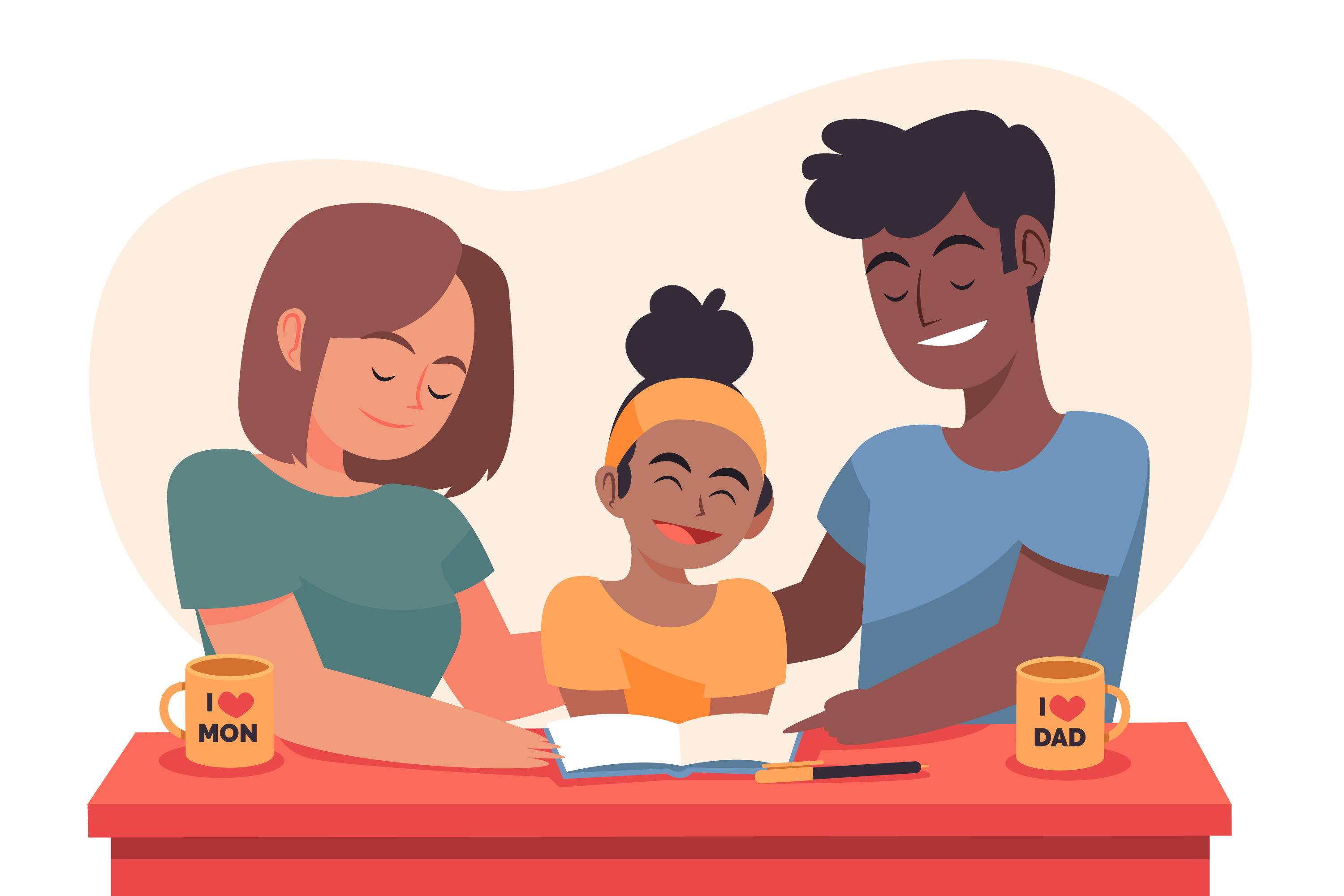
The most significant factor in resilience is a **secure relationship** with a parent, caregiver, or mentor.
- Spend **quality one-on-one time** with your child.
- Practice **active listening** without judgment.
- Consistently provide **emotional support and encouragement.**
2. Build Competence and Confidence
Children who feel capable of handling challenges develop stronger resilience. Encourage this by:
- Allowing age-appropriate **decision-making and independence.**
- Praising **effort and perseverance**, not just results.
- Helping children recognize **their strengths and problem-solving abilities.**
3. Teach Emotional Awareness and Self-Regulation
Children with strong **emotional intelligence** are better equipped to navigate stress.
- Help them **name and validate emotions** instead of suppressing them.
- Teach **calming strategies** like deep breathing and mindfulness.
- Model **healthy ways** to express and manage emotions.
4. Foster a Growth Mindset
A growth mindset teaches children that challenges are **opportunities for growth**, not failures.
- Encourage the mindset of "I haven’t learned this yet, but I will."
- Normalize mistakes as **part of learning.**
- Celebrate **effort and improvement**, not just success.
5. Develop Problem-Solving Skills
Problem-solving gives children the confidence to handle obstacles independently.
- Encourage **brainstorming solutions** instead of immediately giving answers.
- Ask guiding questions: **"What do you think could work?"**
- Help them evaluate different **solutions and consequences.**
Everyday Opportunities to Build Resilience
Turning Challenges into Lessons
Daily struggles offer valuable teaching moments. When your child faces a setback:
- Help them recognize what’s **within their control.**
- Encourage **problem-solving instead of avoidance.**
- Remind them of past **successes and how they overcame obstacles.**
Model Resilience Yourself
Children learn resilience by **observing how adults** handle difficulties.
- Discuss your own **challenges and coping strategies** openly.
- Show how to **manage stress in healthy ways.**
- Normalize **making mistakes and learning from them.**
Create a Supportive Home Environment
Children thrive in predictable, **low-stress environments** that encourage emotional safety.
- Set **consistent routines** for security and stability.
- Maintain **clear expectations and boundaries.**
- Promote **healthy lifestyle habits** like good sleep, nutrition, and physical activity.
Resilience Strategies by Age Group
Preschoolers (3-5 years)
- Use **storytelling and play** to teach problem-solving.
- Give simple **decision-making choices** to build confidence.
School-Age Children (6-12 years)
- Encourage **responsibility** in chores and schoolwork.
- Teach **relaxation and stress-management** techniques.
Teenagers (13-18 years)
- Respect their need for **independence and self-expression.**
- Support them in **making responsible decisions and handling setbacks.**
When to Seek Additional Support
While resilience can be developed, some children may need extra **professional support**, especially if they:
- Have experienced **significant trauma or loss.**
- Show persistent **behavioral or emotional distress.**
- Struggle with **anxiety, depression, or self-regulation.**
If concerns persist, consulting a **child psychologist or counselor** can provide valuable guidance.
Conclusion
Helping children develop resilience is about **equipping them with confidence, coping skills, and emotional intelligence**—not shielding them from challenges.
By nurturing **supportive relationships, problem-solving abilities, and a growth mindset**, parents and caregivers empower children to thrive, no matter what life brings.
At **Inner Remedies**, we specialize in **child counseling services** that focus on resilience-building and emotional well-being. Contact us today to learn how we can support your child’s journey to confidence and success.